Date:4/6/26
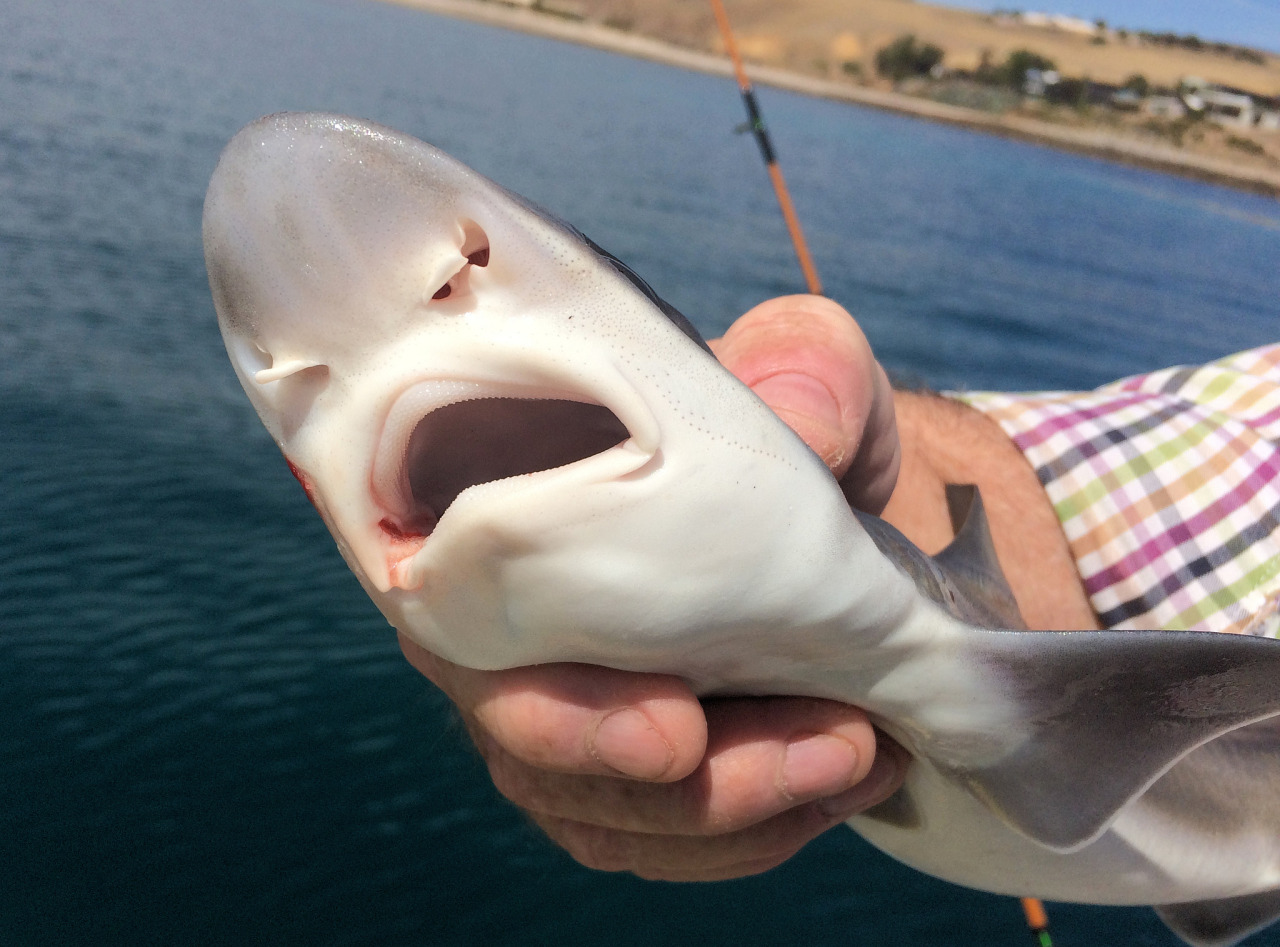
Happy Monday, everybody! Today's fish of the day is the gummy shark!
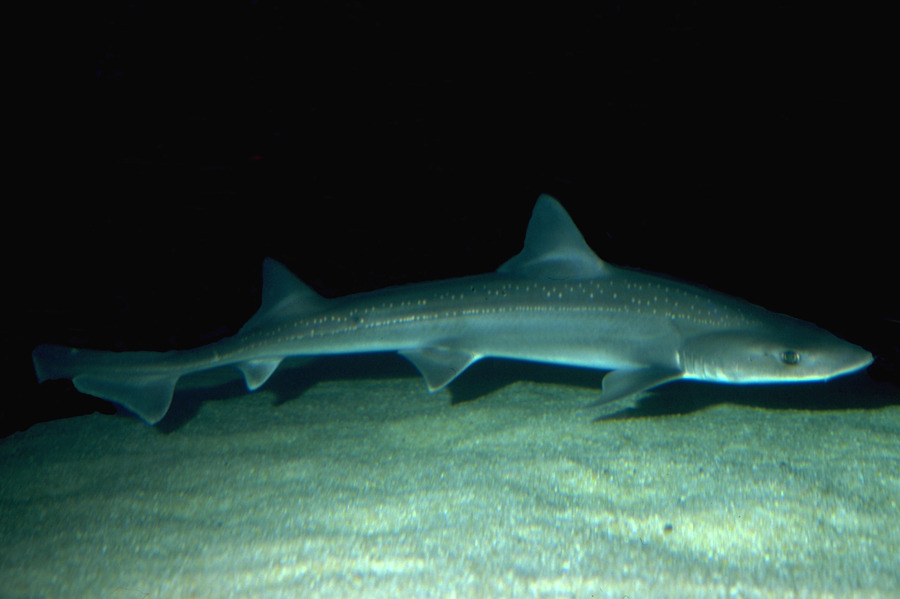
The gummy shark, also known as the Australian smooth hound, smooth dog shark, sweet William, or scientific name Mustelus antarcticus, are a common catshark around Australia. Found in and around the Southern seas, along the shallow continental shelf, from the depths of 80-350 meters along the sea bed. Although female shark groups spend their days in deeper waters than male shark groups. These sharks are named due to the pavement shaped teeth, made up of many flat plate-like teeth that make them appear toothless, and the more regional name of sweet William coming from the rank smell these sharks emit once removed from water. However, recent research surrounding these sharks shows they may be a subpopulation of the nearby Eastern spotted gummy shark (Mustelus walkeri).
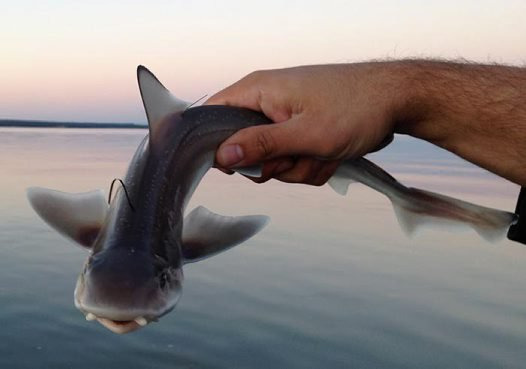
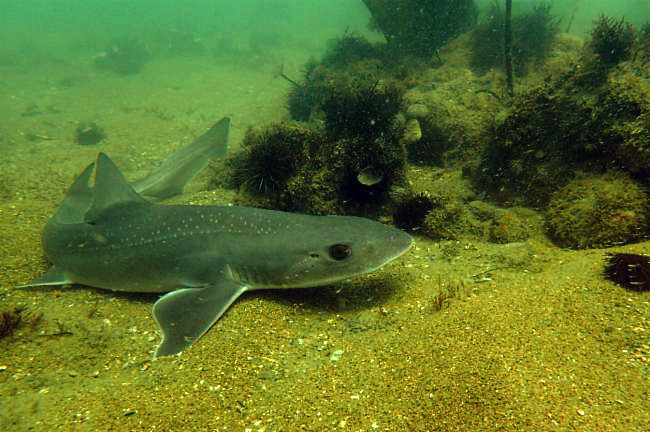
The flat teeth of these sharks are perfectly adapted to grab and crush shelled and unshelled prey, such as cephalopods, crustaceans, and bony fish. This prey allows these sharks to get as large as 176cm (70in) in females, and 157cm (62) in males! However, this size allows predation from other sharks, particularly broadnose and sevengill sharks. To evade predation, these sharks are colored to blend into the sandy sea bed, and travel close to the shore to eat at night, spending the day hidden in caves, or under sand.
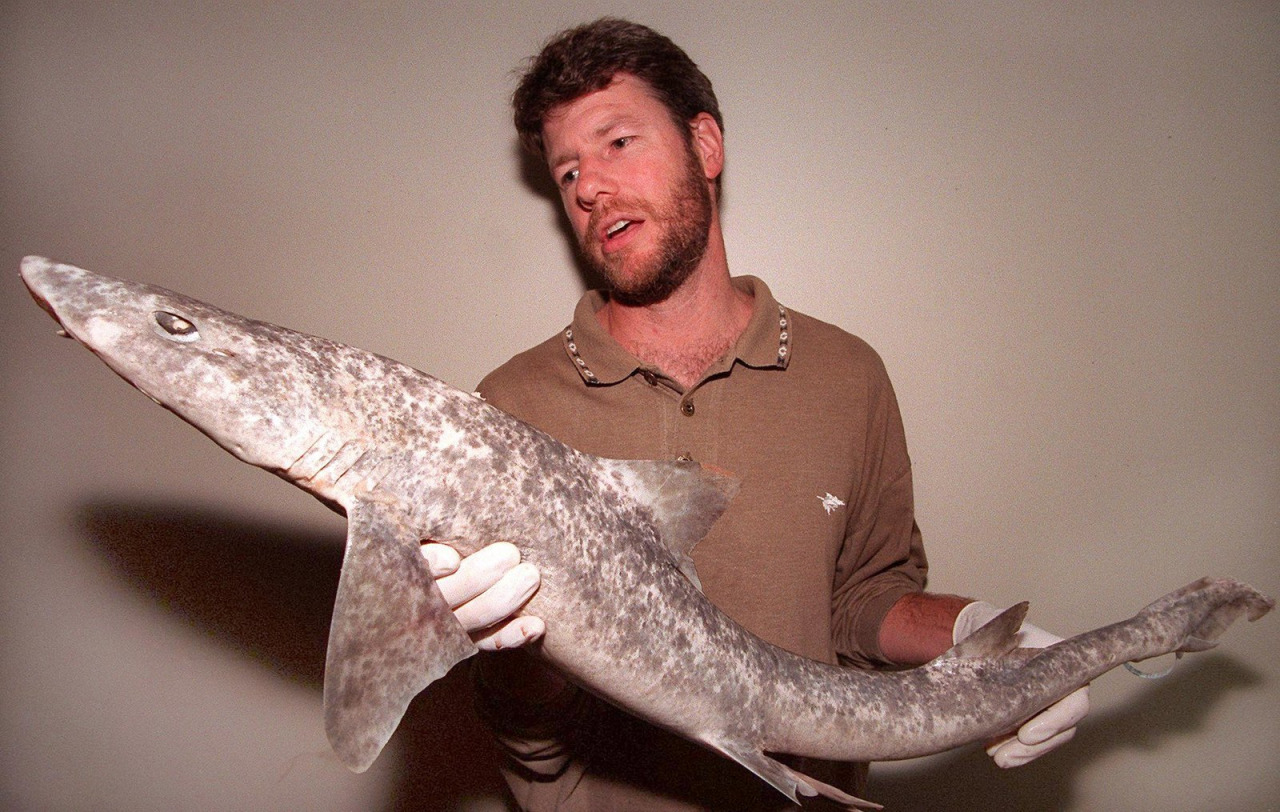
These sharks aggregate into groups based on sex and size, where female shark groups are found further to the West and Southwestern coast of Australia in prime breeding and feeding areas. Males will remain in the Southeastern territories, migrating west for the summer breeding season. After successful breeding occurs, female sharks can incubate litters of anywhere from 14-57 pups at a time, which they will gestate 11-12 months before birth, as the gummy shark is ovoviviparous. These pups will then be cared for by the female sharks, using the Southwestern slope of Australia as a nursery, where the male pups will depart only at sexual maturity in 4-5 years. After this, these sharks will live upwards of 16 years, with female sharks going their entire lives, where amle sharks stop gaining length at around 10 years of age. These sharks are currently facing very minimal threats, and have healthy populations, being considered a least concern animal to conservation.
That's the gummy shark everybody! I hope everyone enjoyed learning about today's fish, and be ready for more soon!
Sources:
“Mustelus Antarcticus.” Fishes of Australia, fishesofaustralia.net.au/home/species/3260
“Gummy Shark.” Gummy Shark | Australian Fisheries Management Authority, www.afma.gov.au/species/gummy-shark#referenced-section-1
“Mustelus Antarcticus.” Rodney Fox Shark Expeditions, 6 Feb. 2023, rodneyfox.com.au/mustelus-antarcticus/
McGrouther, Mark “Gummy Shark, Mustelus Antarcticus Günther, 1870.” The Australian Museum, 21 Mar. 2023, australian.museum/learn/animals/fishes/gummy-shark-mustelus-antarcticus